Regional Traditions
Mahjong Styles
Mahjong is not one game — it's a family of games, shaped by culture, geography, and community. Michael's club experience has given him exposure across styles rarely found in a single instructor.
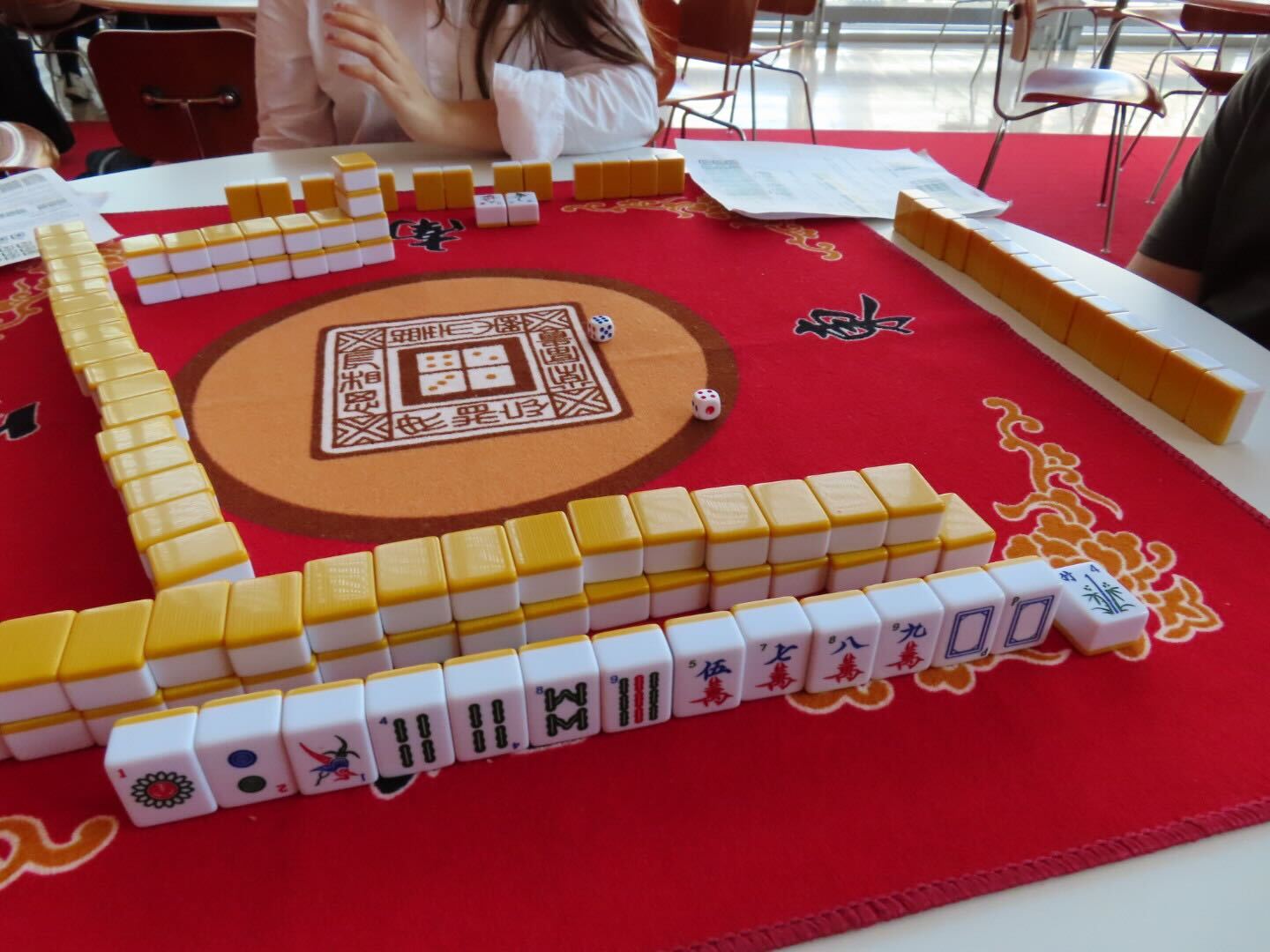
Hong Kong Style
廣東麻將 · Cantonese Mahjong
The world's most widely played mahjong style, Hong Kong Old Style is the heart of Michael's expertise and the style he recommends for every new player. Rooted in Cantonese tradition, it offers the clearest rules, the most accessible learning curve, and a strategic depth that rewards years of play.
With 144 tiles across four players, the game revolves around building four melds (sets of three tiles) plus a pair — simple to understand, endlessly variable in practice. Scoring is based on the value of the winning hand, with clear categories that beginners can learn session by session.
- 144 tiles — three suits, honor tiles, and flowers/seasons
- 4 melds + 1 pair to win
- Accessible hand categories with meaningful strategy
- The default starting point for new players
- Michael's deepest area of expertise
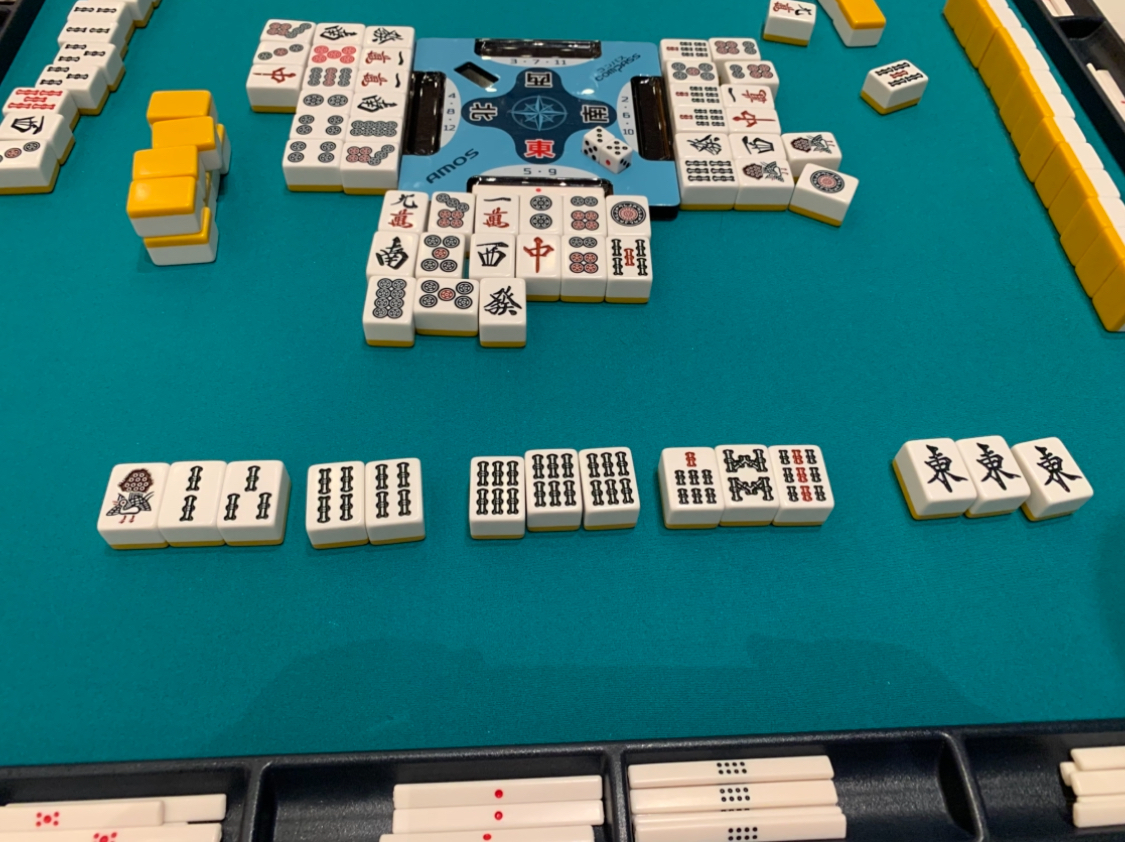
Riichi Mahjong
立直麻雀 · Japanese Mahjong
Japanese Riichi is mahjong at its most strategic and meditative. The signature mechanic — declaring riichi when you're one tile from winning — introduces a layer of psychological tension, risk management, and commitment that makes every game feel like a thriller.
Riichi is beloved by players who love deep strategy and deliberate play. Its unique features — dora bonus tiles, the furiten rule, the tenpai declaration — create a richer tactical landscape than most other styles.
- 136 tiles — no flower or season tiles
- Riichi declaration mechanic for strategy and tension
- Dora bonus tiles that reward risk-taking
- Furiten rule adds deep strategic depth
- Rich, complex scoring system
Riichi's scoring system is one of the richest in mahjong. Michael teaches the game comprehensively and continues to deepen his own scoring mastery alongside his students — making learning it together a genuine shared journey.
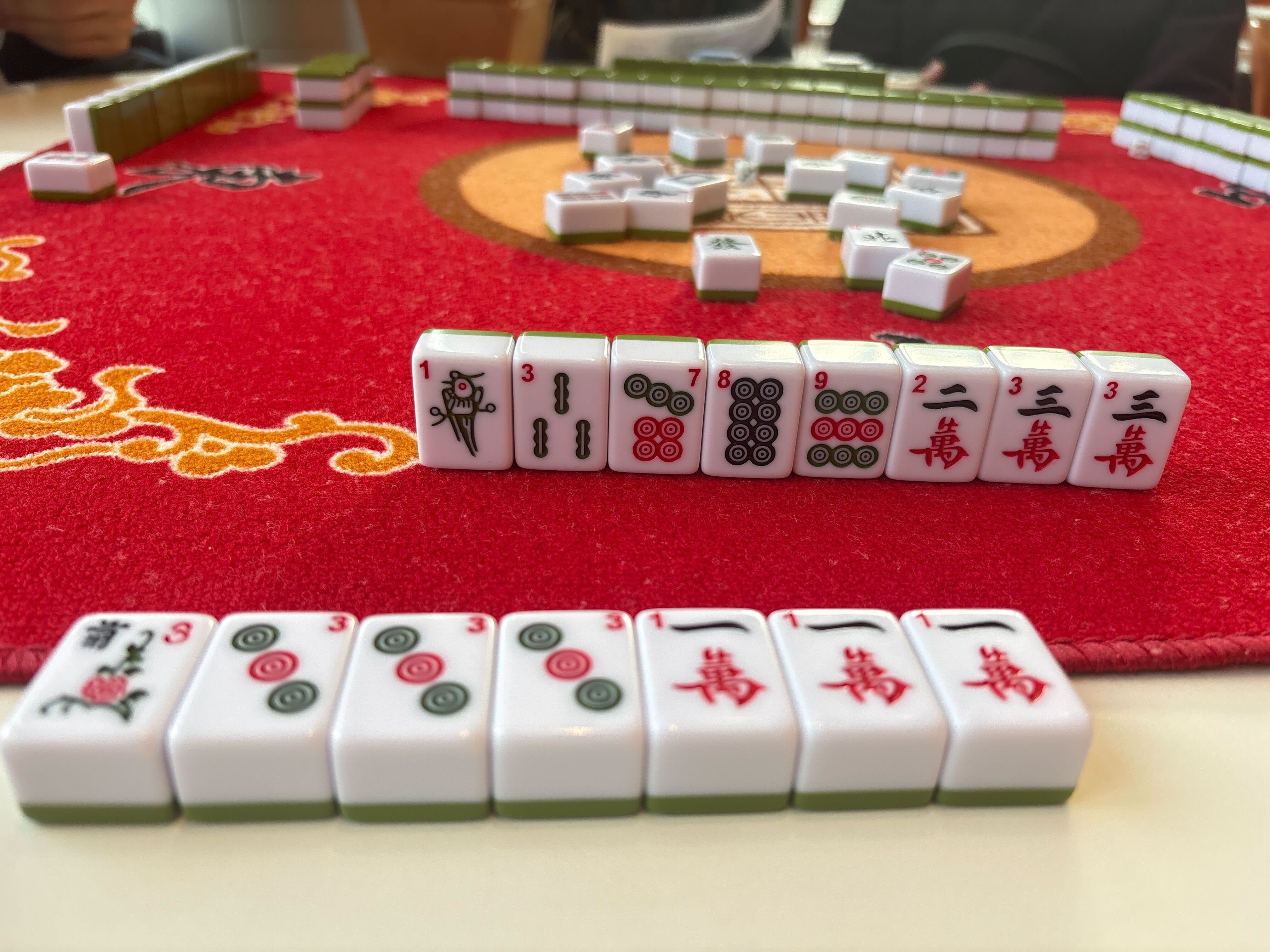
Malaysian Mahjong
马来西亚麻将 · Southeast Asian Style
Malaysian mahjong shares the structural bones of Hong Kong style — four melds, one pair, draw-and-discard gameplay — but carries its own distinct tile designs, local scoring conventions, and cultural personality. It's the style behind the social, low-stakes games common in Malaysian and broader Southeast Asian communities.
Members of Michael's own club play Malaysian mahjong, including friendly gambling games with a small-stakes element that's really more about camaraderie than winnings. Michael is familiar with the style's conventions and can teach its distinctive elements.
- Similar structure to Hong Kong style
- Distinctive tile designs and sets
- Local scoring traditions and variations
- Social low-stakes play is common and traditional
- A natural second step after Hong Kong style
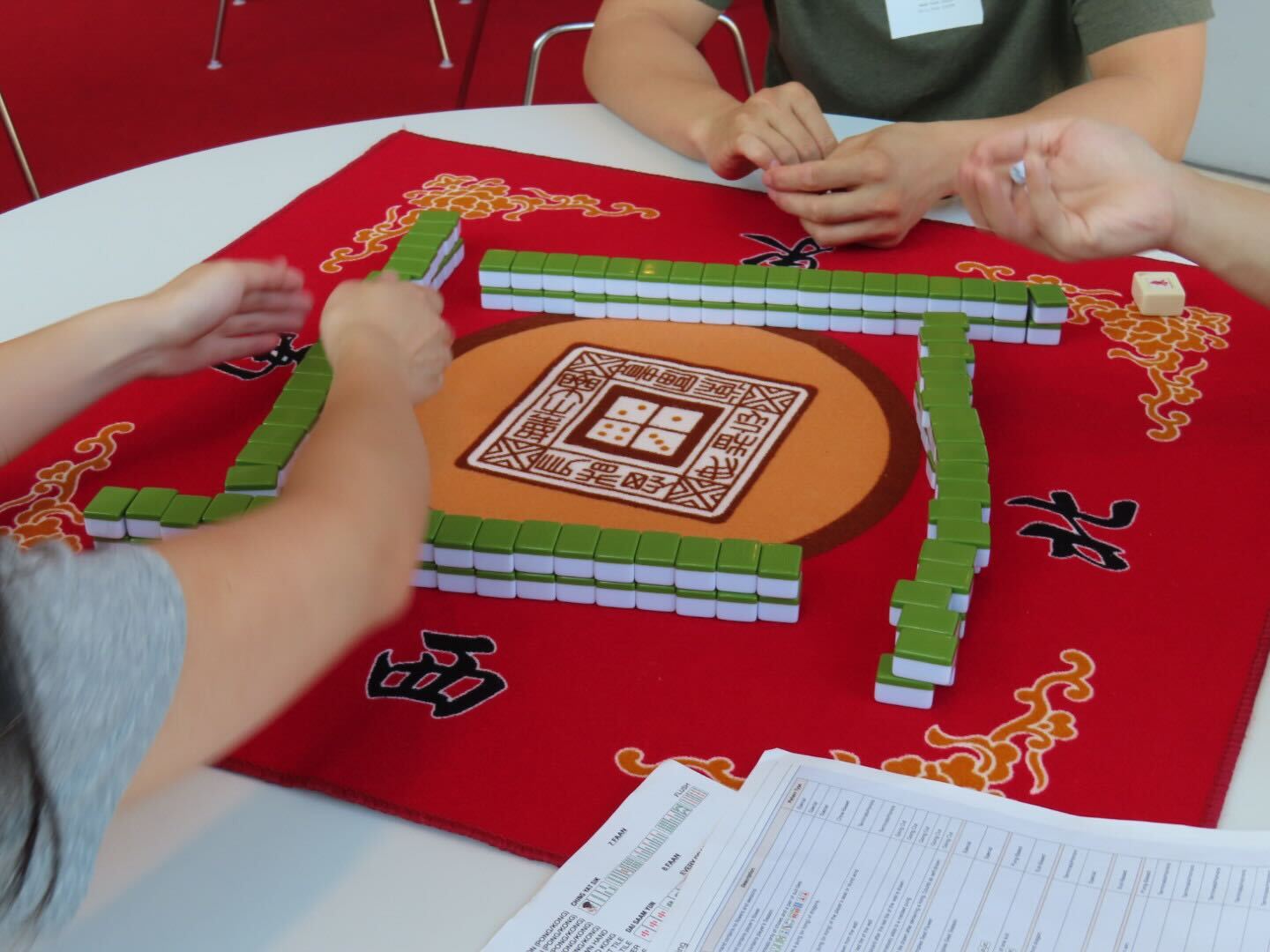
Sichuan Mahjong
四川麻将 · Southwest China Style
Sichuan mahjong strips away the honor tiles and flowers entirely, focusing play on the three suits alone — bamboo, circles, and characters. The result is a faster, more dynamic game with a different strategic landscape and high skill ceiling. It's one of the most popular styles in mainland China.
Michael was introduced to Sichuan rules by a visiting club guest and can provide a solid orientation to the style, its tile set, and its key differences from Hong Kong style.
- No honor or flower tiles — three suits only
- 108 tiles, faster gameplay
- Different winning hand structure
- Unique to southwest China communities
- Fast-paced with high skill ceiling
Michael can provide an introduction to Sichuan rules. For deep study, he recommends seeking out a dedicated Sichuan player or community group.
No photo available for this style
American Mah Jongg
National Mah Jongg League Style
American Mah Jongg evolved independently from its Asian cousins, developing its own unique features: joker tiles that can substitute for any tile, a yearly-updated card of valid winning hands published by the National Mah Jongg League (NMJL), and a distinctive tile-passing ritual called the Charleston.
The style has a dedicated and enthusiastic following, particularly in American Jewish communities. Michael has basic familiarity with it but has not played it extensively.
- Joker tiles can substitute for any tile
- Annual hand card from the NMJL
- Charleston tile-passing ritual before play
- Very different feel from Asian styles
- Friendly, social gameplay tradition
Michael is not the right instructor for American Mah Jongg. He recommends connecting with a National Mah Jongg League-affiliated group or instructor for this style.